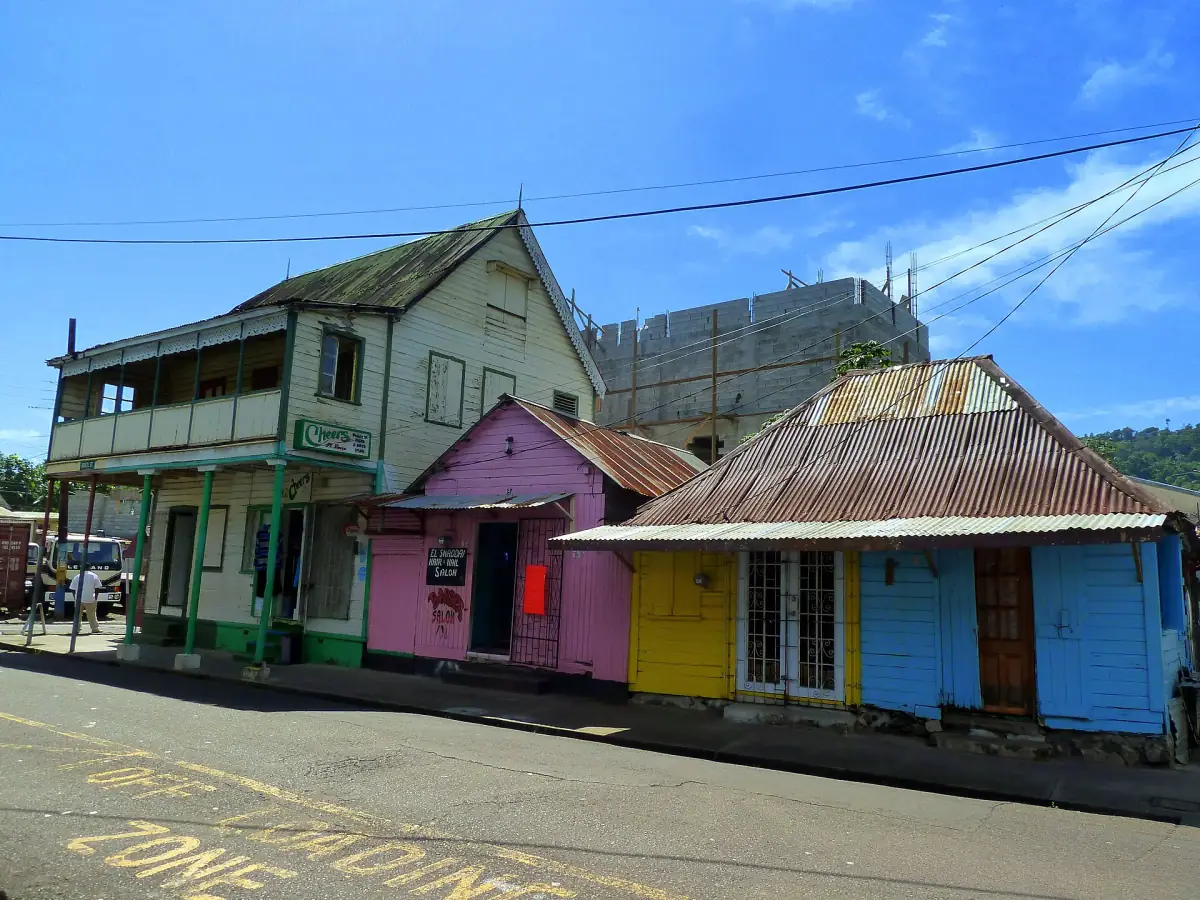
Things to do in Castries: start with the city
The things to do in Castries bring together a working harbour, a food and craft market, a central square and the history of Saint Lucia's capital. Begin with the urban sights if the city itself is your priority. Soufrière and the Pitons belong to a different day beyond Castries, while Rodney Bay and Pigeon Island are northern additions that need their own transport plan.
A useful approach is to choose a city focus before adding a viewpoint or coastal stop. The market suits an interest in everyday trade, Derek Walcott Square introduces the city's cultural setting, and Morne Fortune adds military history and harbour views. Our arrival guide explains how airport and cruise arrivals differ, while shore excursions address the time constraints of a ship visit.
Castries Market
Fresh produce, spices and handicrafts give Castries Market its character. It is a place to look at what is being sold as well as to shop. Leave room in the visit to browse different stalls rather than treating the market as a single quick photo stop. Ask about prices and the currency before buying, particularly when comparing a cash price with a budget kept in another currency.
Saturday morning is described by the tourism authority as especially lively, but the market should not be reduced to a Saturday-only attraction. Match the visit to the trading hours of the market area you want to see. A guided city and market outing is useful when you prefer local explanation and organised transport; agree the actual pickup point and the stops rather than expecting every destination in this guide to form part of the route.
Our pick: explore Castries
Our take: The city and market visit suits a guided introduction with pickup and return.
Hand-picked tours, booked through GetYourGuide. Prices are indicative starting prices in US dollars (as of November 2026). Tap a tour for live availability and the current price in your currency.

A guided look at the city and market
The city and market outing includes a guide, driver, air-conditioned transport, pickup and drop-off, and soft drinks. It provides a city-focused way to explore Castries.
Derek Walcott Square and the cathedral
Derek Walcott Square is named after the Nobel Prize-winning writer. Its large samaan tree and surrounding historic buildings make it a useful point of reference for a city visit. Pair the square with the nearby Cathedral Basilica of the Immaculate Conception, known for its murals and wooden architecture. The two sights bring literature, public space and religious art into the same part of the itinerary.
Plan an interior visit around the cathedral's arrangements on the day. Check visitor access and services before making the interior the centrepiece of a short stop, and ask about photography when entering. A walk around the square and a cathedral visit are different activities, so keep enough flexibility to enjoy the setting even if your preferred interior visit does not fit the day's schedule.
Morne Fortune and the view beyond the streets
Morne Fortune adds cannons, cemeteries, former military buildings and views towards the harbour. It changes the emphasis from the city's trading streets to the strategic importance of the hill. Decide whether that historical context matters more to your visit than adding another coastal destination, then arrange the journey as a deliberate part of the day.
The National Trust lists its own Morne Fortune sites as free to enter, with visiting hours of 09:00 to 17:00 daily, as checked on 10 November 2026. Those arrangements apply to the Trust sites rather than every institution or building on the hill. Leave objects in place and take rubbish away. For a wider journey with an agreed route, see private tours.

City history and the fire of 1948
French and British influences remain part of the city's architecture, but Castries also has a history of destruction and rebuilding. The tourism authority's account published on 27 April 2026 describes the major fire of 19 June 1948. This matters when looking at the streets: the capital is a rebuilt city with historic elements, rather than a completely preserved colonial old town.
Read the market, square and harbour together as parts of that changing city. A guide can help connect the places on an agreed city route. The value of a city visit lies in understanding those relationships, not simply collecting a list of old buildings.
Pigeon Island and Rodney Bay beyond the centre
Pigeon Island National Landmark is a separate military-history destination in the northwest, connected to the mainland by a causeway. Rodney Bay adds Reduit Beach and a setting associated with restaurants and watersports. Arrange these as independent additions; the city and market excursion does not promise visits to them. Check current Pigeon Island admission arrangements, as the Trust is revising fees. The area guide helps decide whether a city base or the northern coast better matches your plans.
Questions about visiting Castries
Is Castries Market only worth visiting on Saturday?
Saturday morning is a particularly lively time. Choose your visit around the trading hours of the stalls and market areas you want to explore on your travel day.
Does the city tour include Pigeon Island?
The featured outing focuses on the city and market. Plan Pigeon Island separately, with transport and current admission arrangements suited to your day.
Where can I explore military history?
Morne Fortune combines military sites and harbour views. Pigeon Island is another military-history destination outside the centre, suited to a separately planned northern outing.